
Neuropathy can make everyday activities difficult and uncomfortable. Tingling, numbness, burning pain, weakness, and balance problems often interfere with walking, working, sleeping, and enjoying normal routines. While medications may help manage symptoms, many people are looking for additional ways to improve mobility and quality of life. Physical therapy is often an effective part of a comprehensive neuropathy treatment plan.
What Is Neuropathy?
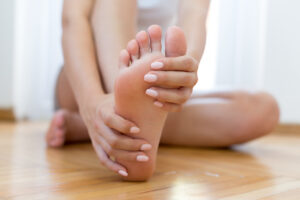
Neuropathy, also called peripheral neuropathy, occurs when nerves outside the brain and spinal cord become damaged. This damage can affect sensation, movement, and muscle control. Symptoms often begin in the feet or hands and may gradually worsen over time.
Common symptoms include:
- Numbness or reduced sensation
- Tingling or “pins and needles”
- Burning or sharp pain
- Muscle weakness
- Poor balance or coordination
- Increased risk of falls
Neuropathy can develop from several causes, including:
- Diabetes
- Injuries
- Infections
- Chemotherapy
- Autoimmune conditions
- Vitamin deficiencies
- Poor circulation
How Physical Therapy Can Help Neuropathy
Although physical therapy cannot always reverse nerve damage, it can often help reduce symptoms, improve movement, and prevent further complications.
Improving Balance and Stability
Many neuropathy patients struggle with balance because they cannot fully feel their feet or legs. Physical therapists use targeted exercises to improve coordination, strengthen stabilizing muscles, and reduce fall risk.
Balance training may include:
- Standing exercises
- Gait training
- Core strengthening
- Coordination drills
- Functional movement exercises
Improved balance can help patients feel safer and more confident during daily activities.
Increasing Strength and Mobility
Neuropathy often causes muscle weakness and decreased mobility. Physical therapy programs focus on strengthening weakened muscles while improving flexibility and joint movement.
Therapists may recommend:
- Resistance exercises
- Stretching routines
- Low-impact conditioning
- Walking programs
- Range-of-motion exercises
Maintaining strength and mobility can help patients stay active and independent longer.
Reducing Pain and Discomfort
Certain physical therapy techniques may help reduce nerve-related pain and discomfort. Depending on the patient’s condition, treatment may include:
- Manual therapy
- Therapeutic exercise
- Electrical stimulation
- Soft tissue work
- Heat or cold therapy
Movement and improved circulation can sometimes decrease stiffness and improve overall comfort.
Improving Walking Ability
Neuropathy commonly affects walking patterns. Patients may shuffle, move slowly, or feel unstable while walking. Physical therapists evaluate gait mechanics and create treatment plans designed to improve walking efficiency and safety.
This may include:
- Gait retraining
- Assistive device recommendations
- Footwear guidance
- Posture correction
- Leg strengthening exercises
Better walking mechanics can help reduce fatigue and lower the chance of falls.
Preventing Further Complications
Because neuropathy can reduce sensation in the feet, patients may not notice injuries, pressure sores, or balance issues until they become serious. Physical therapists educate patients on safe movement habits, foot care, and injury prevention strategies.
Early intervention can help prevent worsening mobility problems over time.
Who Can Benefit From Physical Therapy for Neuropathy?
Physical therapy may benefit individuals with:
- Diabetic neuropathy
- Chemotherapy-induced neuropathy
- Neuropathy related to injury
- Balance problems caused by nerve damage
- Chronic nerve pain
- Weakness or mobility limitations
Each patient receives a customized treatment plan based on their symptoms, medical history, and activity goals.
When to Seek Help
If numbness, tingling, burning pain, or balance problems are interfering with your daily life, it may be time to seek professional evaluation. Early treatment can often help improve function and slow physical decline.
A physical therapist can work alongside your physician to create a plan focused on improving movement, safety, and quality of life.
Final Thoughts
Neuropathy can be frustrating and limiting, but physical therapy may provide meaningful relief and improved function for many patients. Through strengthening exercises, balance training, mobility work, and pain-management techniques, physical therapy helps patients stay active and maintain independence.
If you are experiencing symptoms of neuropathy, scheduling a physical therapy evaluation may be an important step toward better mobility and comfort.
Advanced Medical of Florida provides you with the medical care you need. For more information, go to our web site http://www.amfhealthcare.com or call (727) 408-5222.
Advanced Medical of Florida provides you with the medical care you need. As doctors, we understand your need for quality patient safety as well as rehabilitation and outpatient therapy. We are located in Clearwater and Largo Florida.